
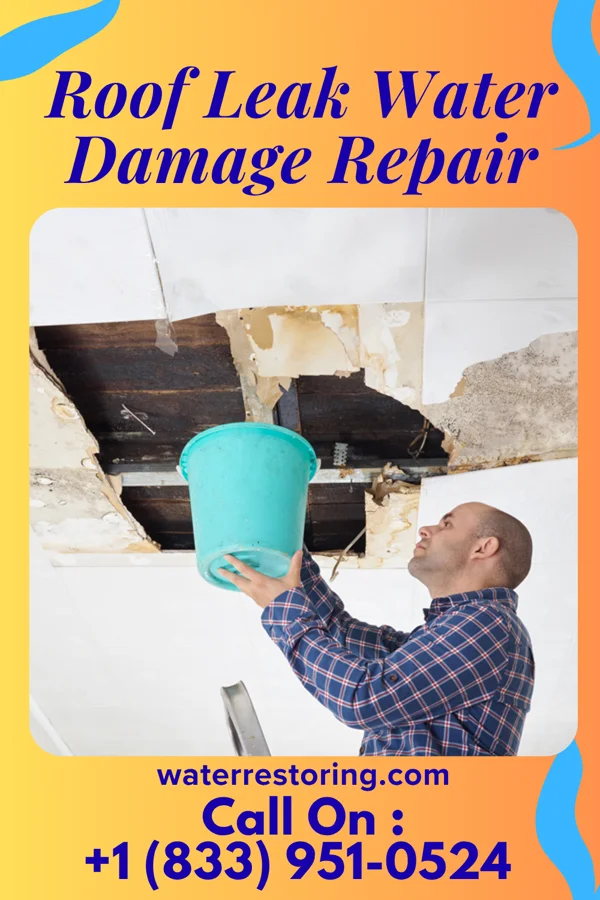
Active Roof Leak Containment in Marianna
Most water damage emergencies in Marianna start with Marianna, Arkansas experiences frequent thunderstorms and heavy rainfall, especially during the spring and summer months. These storms can lead to sudden roof leaks and water damage due to intense downpours and strong winds. The region's climate also includes occasional hail, which can damage roofing materials and create entry points for water.. A close second is In the fall, Marianna may see a shift in weather patterns that brings cooler temperatures and increased humidity. This can lead to condensation issues and prolonged moisture exposure, increasing the risk of mold and structural damage. Winter storms, though less common, can still bring freezing rain and snow that weigh down roofs and cause leaks.. From the second water touches the property, every minute changes what gets saved and what gets ripped out.
Marianna's climate, characterized by high humidity and frequent heavy rain, creates an environment where water damage can occur quickly and persistently. The combination of moisture and warm temperatures also accelerates mold growth, making prompt water damage repair essential to prevent long-term structural issues.
Marianna's climate, characterized by high humidity and frequent heavy rain, creates an environment where water damage can occur quickly and persistently. The combination of moisture and warm temperatures also accelerates mold growth, making prompt water damage repair essential to prevent long-term structural issues. The dominant local driver is Marianna, Arkansas experiences frequent thunderstorms and heavy rainfall, especially during the spring and summer months. These storms can lead to sudden roof leaks and water damage due to intense downpours and strong winds. The region's climate also includes occasional hail, which can damage roofing materials and create entry points for water., with In the fall, Marianna may see a shift in weather patterns that brings cooler temperatures and increased humidity. This can lead to condensation issues and prolonged moisture exposure, increasing the risk of mold and structural damage. Winter storms, though less common, can still bring freezing rain and snow that weigh down roofs and cause leaks. showing up as the next most common cause. Damage builds in stages. Spread. Absorption. Microbial growth. Structural compromise. Every stage you pass through adds to the final bill.